
HeyGen Review 2026: I Tested It For 30 Days (Shocking Results + Pricing Exposed!)
If you want fast, realistic talking‑head videos without filming yourself every time, HeyGen is one of the strongest AI avatar video tools to consider in 2026.
This in‑depth HeyGen review breaks down its features, pricing, pros, cons, and best use cases so you can decide if it actually fits your content workflow or not.
The search intent behind “HeyGen review” is commercial: people already know what HeyGen is and now want a detailed, trustworthy evaluation before starting a free plan or paying for a subscription. That means this article focuses on real feature breakdowns, pricing clarity, comparisons, and practical recommendations, not generic definitions.
What is HeyGen And Why It Matters?
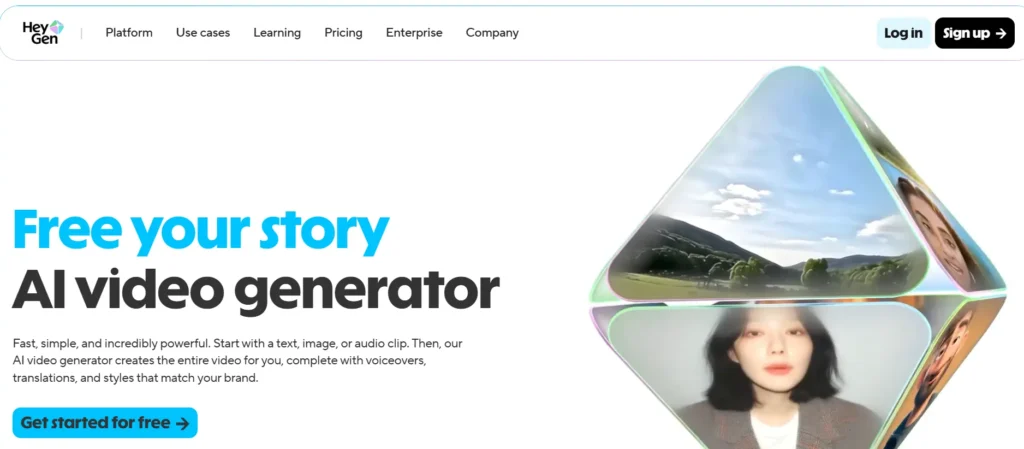
HeyGen is an AI video generator that turns your script into a talking‑head video using realistic AI avatars, lip‑sync, and AI voiceovers, all inside a web browser.
Instead of recording yourself, you type or paste text, pick an avatar, choose a voice, and HeyGen renders a studio‑style video that looks like a presenter speaking your words.
This matters in 2026 because brands, solo creators, and teams need constant video content for YouTube, ads, sales pages, onboarding, training, and social clips—but don’t always have time, gear, or confidence to be on camera.
AI avatar tools like HeyGen shrink production time from days to minutes, cut costs, and make it easier to create localized, multilingual content at scale. However, there are trade‑offs in realism, flexibility, and pricing that this review will unpack honestly.

Turn your scripts into studio‑style videos without ever turning on a camera.
Let an AI presenter speak for you while you focus on the ideas.
Key Features Of HeyGen
Text‑To‑Video With AI Avatars
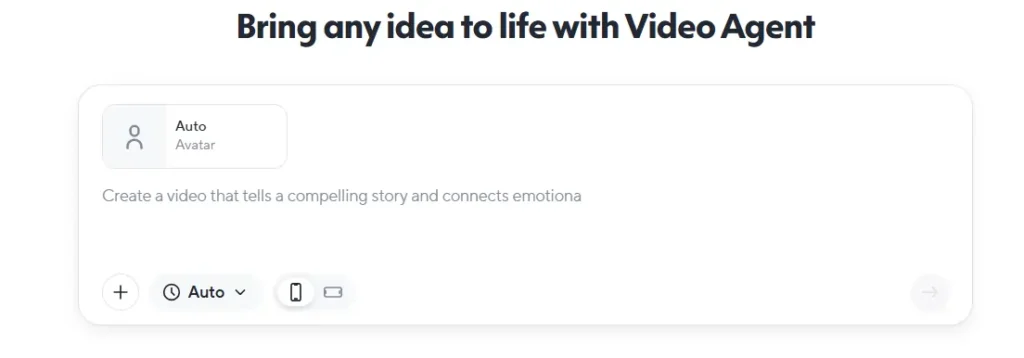
At its core, HeyGen lets you turn written text into a video of an AI avatar reading your script with synchronized lip movement.
You select a template or blank canvas, choose an avatar, paste your script, pick a voice, and generate the video in a few clicks.
Large Library Of Stock Avatars
HeyGen offers hundreds of pre‑built stock avatars in different ages, ethnicities, and styles, including business‑formal, casual, and influencer‑style looks.
These avatars are professionally recorded models whose faces are driven by AI to match your script and chosen voice.
Custom Avatar Creation
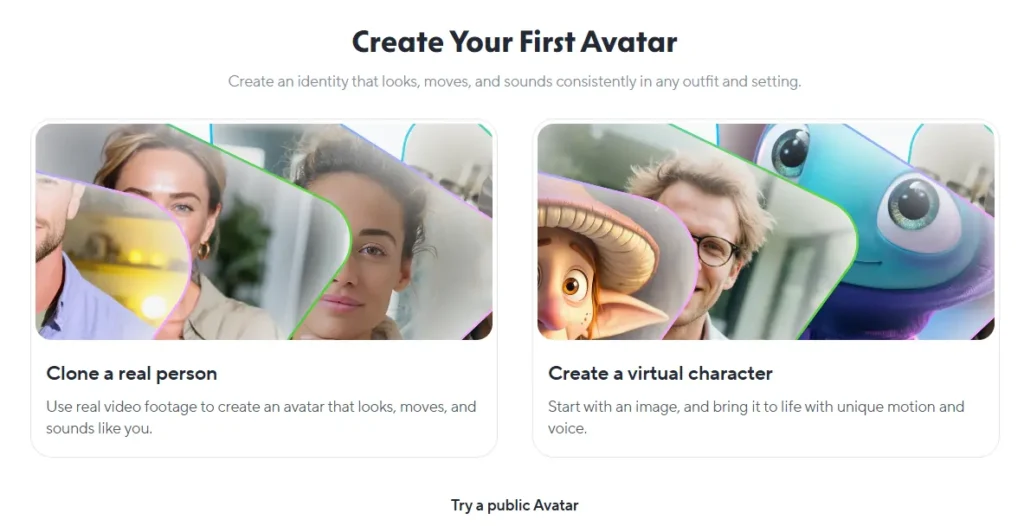
HeyGen lets you create a custom avatar of yourself or a spokesperson by recording or uploading short reference footage that is then processed into a reusable AI avatar.
Once ready, you can generate unlimited scripts with that avatar without re‑shooting video every time.
Multilingual Voices And Lip‑Sync
HeyGen supports dozens to 170+ languages and accents (depending on plan and feature set), with AI voices that sync with avatar lip movement. You can write scripts directly in another language or translate existing content to create localized versions.
Voice Cloning And Audio Upload
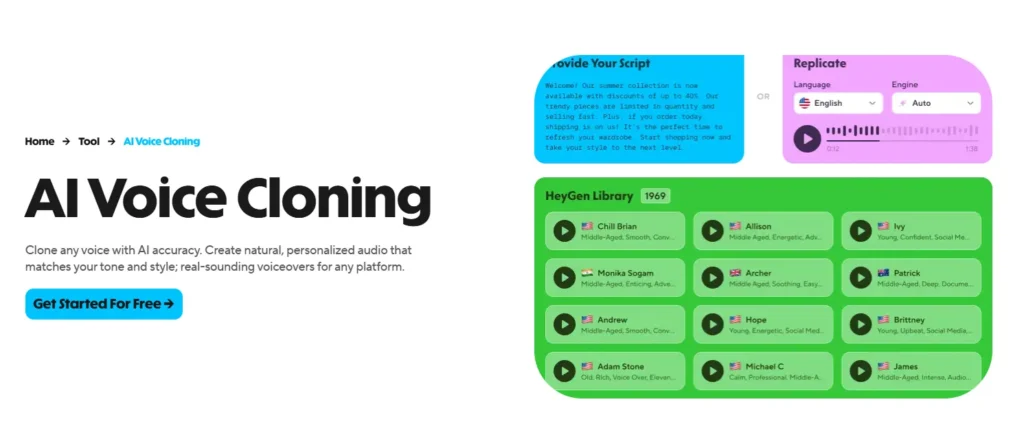
HeyGen can clone your own voice so the avatar speaks like you, or it can sync an existing audio track to a talking avatar for more natural delivery. This blends your real voice with AI‑generated visuals.
Templates, Scenes, And Editor
Beyond avatars, HeyGen includes templates, scene‑based timelines, text overlays, images, and simple editing tools to assemble complete videos.
You can combine multiple scenes, add B‑roll, screen captures, or product shots, then overlay the avatar in a corner or full frame.
Team Collaboration And Brand Controls
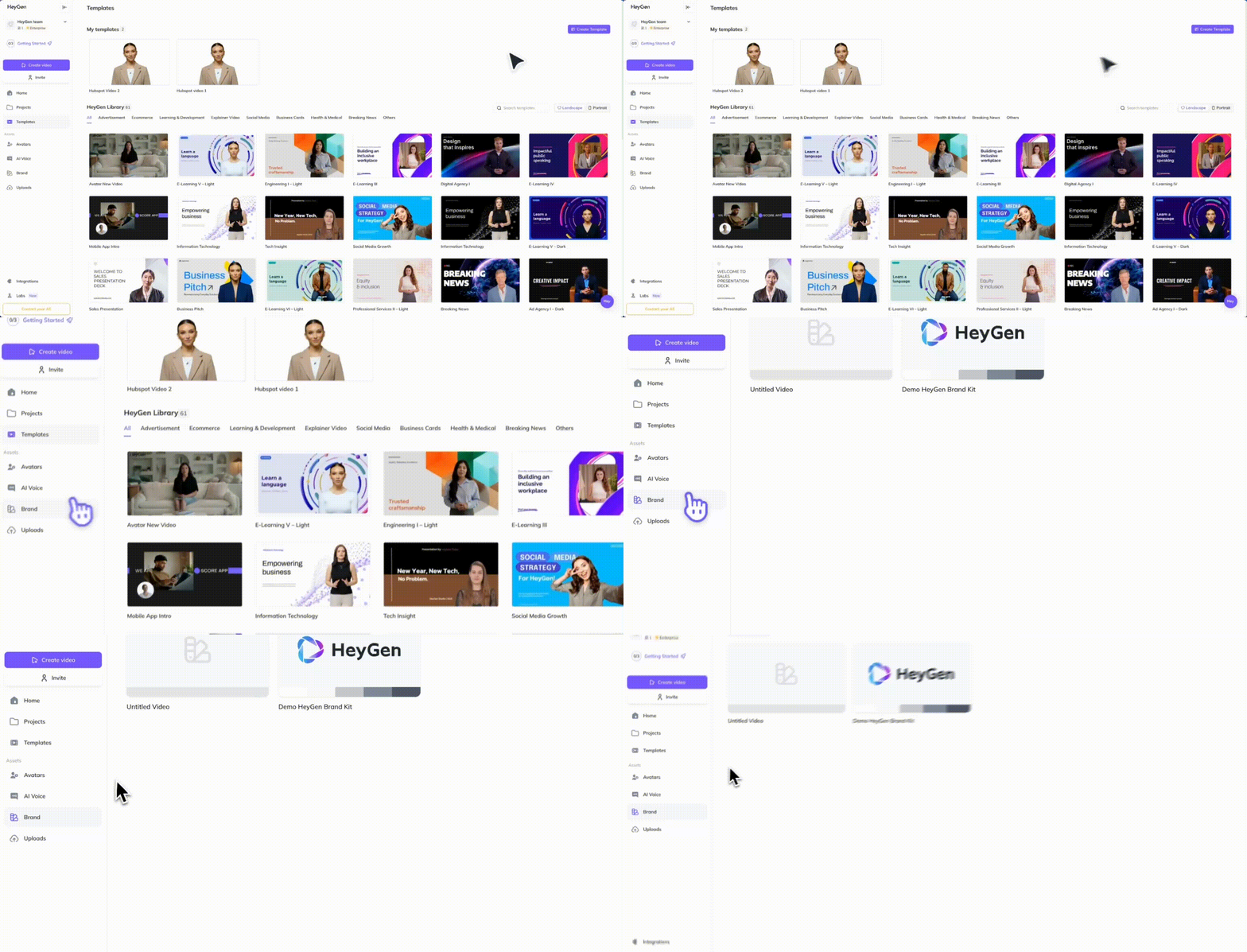
On team/enterprise plans, HeyGen offers shared workspaces, role‑based access, and brand kits so multiple people can work on videos with consistent fonts, colors, logos, and templates.
HeyGen Pricing Plan
HeyGen’s pricing changes occasionally, but most 2026 overviews show a structure with a free tier plus Creator, Team/Business, and Enterprise options. Exact limits can vary (credits, video length, export resolution), so always double‑check the official pricing page before upgrading.
HeyGen Plans Overview:
Note: Values below summarize commonly reported ranges in 2026, not legal price guarantees.
*Features and limits differ by credit‑based vs “unlimited” models; some plans cap video minutes via monthly credits.
For API usage, separate plans start around the low‑hundreds per month for a bundle of credits, then scale for higher volumes and SLAs.
Benefits Of HeyGen
Drawbacks And Limitations
HeyGen vs Alternatives
Creators often compare HeyGen with other AI video tools like Synthesia, Pictory, D‑ID, DeepBrain, and Colossyan. Here’s a simplified snapshot.
HeyGen vs Synthesia vs Pictory vs D‑ID
| Tool | Core Style | Key Strengths | Main Weaknesses | Best For |
|---|---|---|---|---|
| HeyGen | Avatar, text‑to‑video | Realistic avatars, easy interface, good for marketing & training, strong team features. | Can feel template‑driven; cost scales with use. | Creators, SMBs, marketers, training teams. |
| Synthesia | Avatar, corporate focus | Enterprise credibility, business templates, multi‑language support. | Often feels more corporate, less flexible for social‑style content. | Corporates, HR, compliance training. |
| Pictory | Text‑to‑video without avatars | Great for turning blog posts/scripts into B‑roll‑heavy videos, simple workflow. | No talking avatars, less “presenter” feel. | Bloggers, content repurposing, YouTube faceless channels. |
| D‑ID | Photo‑based talking avatars | Turns photos into avatars quickly, strong for quick talking‑head clips and experimentation. | Fewer templates, can look more experimental, watermarks on some tiers. | Fast social clips, creative/experimental content. |
In real‑world tests, reviewers often see HeyGen as a “balanced” choice that blends usability, avatar quality, and business‑ready features better than some competitors, especially when collaboration and brand control matter.
Who HeyGen Is Best For (Use Cases)
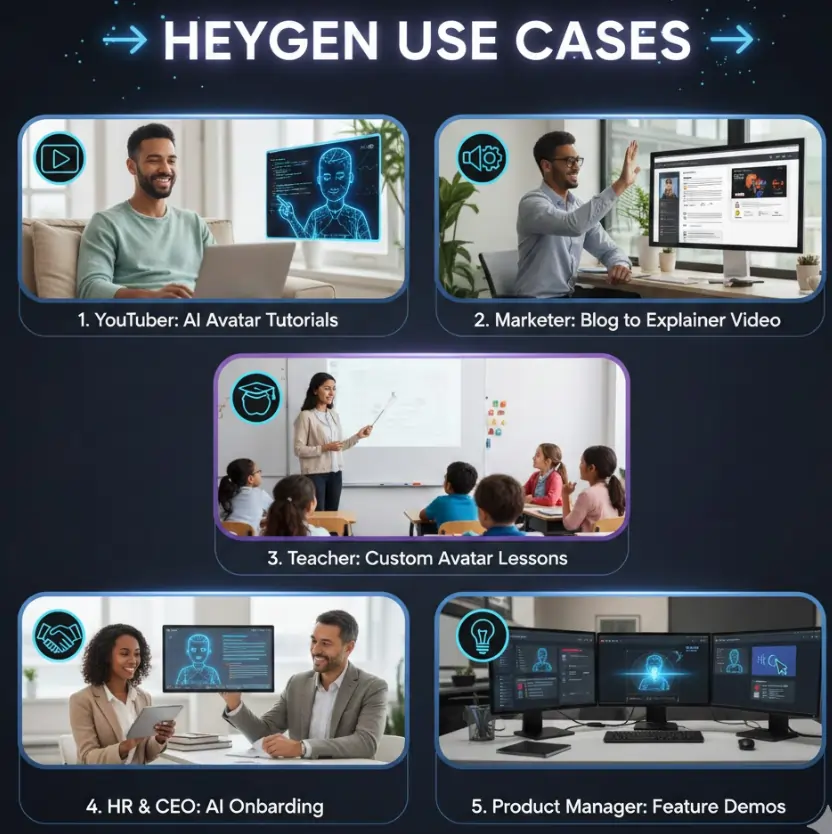
1: Content Creators And YouTubers:
Creators who run faceless or semi‑faceless channels can use HeyGen as a digital presenter, especially for tutorials, list videos, and product explainers. It reduces on‑camera stress and lets them publish more frequently while experimenting with different avatar styles and languages.
2: Agencies And Marketers
Agencies can turn landing‑page copy, blog posts, and pitch decks into short explainers, ad creatives, and client proposals without organizing shoots. HeyGen’s team features and brand kits make it easier to standardize video style across multiple clients.
3: Educators And Course Creators
Teachers and course creators can build full modules with the same avatar or custom clone delivering bite‑sized lessons, intros, and assignment walk‑throughs. Multilingual support helps them tap global audiences or meet institutional localization requirements.
4: HR, L&D, And Internal Comms
HR teams can use HeyGen for onboarding, policy updates, safety training, and CEO announcements that feel more personal than static email. Since scripts are easy to adjust, they can keep content current without re‑filming staff every time a policy changes.
5: SaaS And Product Teams
Product managers and customer success teams can build quick “what’s new” updates, feature explainers, and in‑app help videos using avatars plus screen captures. This speeds up product education and reduces support tickets over time.
How HeyGen Works (Step‑By‑Step)
FAQs About HeyGen
Is HeyGen free to use?
How much does HeyGen cost per month?
Is HeyGen good for YouTube creators?
Yes, HeyGen works well for faceless channels, tutorials, list videos, and info‑style content where a clean virtual presenter is enough. For highly personal vlogs, live‑action is still stronger.
Can I create an avatar of myself in HeyGen?
Does HeyGen support multiple languages?
HeyGen supports many languages and accents, with AI voices and lip‑sync capable of generating localized versions of your videos from the same script. This is one of its key strengths for global teams.
How realistic are HeyGen avatars?
Is HeyGen better than Synthesia?
HeyGen often feels more flexible and creator‑friendly, while Synthesia leans more corporate and enterprise‑focused; the “better” tool depends on whether you prioritize brand templates, collaboration, or specific enterprise integrations. Testing both with your exact use case is the best approach.
Can I use HeyGen for training and internal videos?
Yes, many teams use HeyGen for onboarding, policy updates, micro‑lessons, and internal announcements because it’s fast to update scripts and regenerate videos without re‑shoots. This makes it popular in HR, L&D, and operations.
Does HeyGen offer an API?
Is HeyGen suitable for small businesses and solo creators?
Yes, the lower‑tier creator plans are designed specifically for individuals and small teams who need frequent, professional‑looking videos without production overhead. For occasional use, starting on free or monthly billing is usually the safest way to test ROI
Final Verdict: Is HeyGen Worth It In 2026?
For most businesses and serious creators, HeyGen is worth testing—and often worth paying for—if you produce recurring educational, marketing, or training content and want to scale that output.
The more you lean on slide‑style explainers and talking‑head formats, the more valuable it feels; the more your brand depends on cinematic storytelling and emotional nuance, the more you’ll want to mix it with live‑action.
Looking ahead, AI avatar realism and voice quality are improving fast, and HeyGen is positioned as one of the leading platforms pushing that evolution. Expect tighter integrations, better lip‑sync, and more interactive features over the next few years, which will only increase its usefulness for everyday business video.

Founder and blogger at BestAIToolsHub.io, Explores and reviews AI tools that help people work smarter. With a passion for technology and content creation, Shares honest insights, comparisons, and practical guides. Goal is simple: make AI tools easy to understand and useful for everyone.


Leave a Reply