
Answer Engine Optimization (AEO) in 2026: A Quiet Change in How Search Works
A few years ago, searching meant opening a browser, typing a question, and clicking links until something made sense. In 2026, that habit is slowly disappearing.
Now, many people talk to AI tools instead. They ask one question and get one answer. No scrolling. No comparing pages. Just a response that sounds confident and complete.
This change has not been loud, but it is powerful. And it has created a new way of thinking about online content called Answer Engine Optimization, or AEO.
What AEO Actually Means
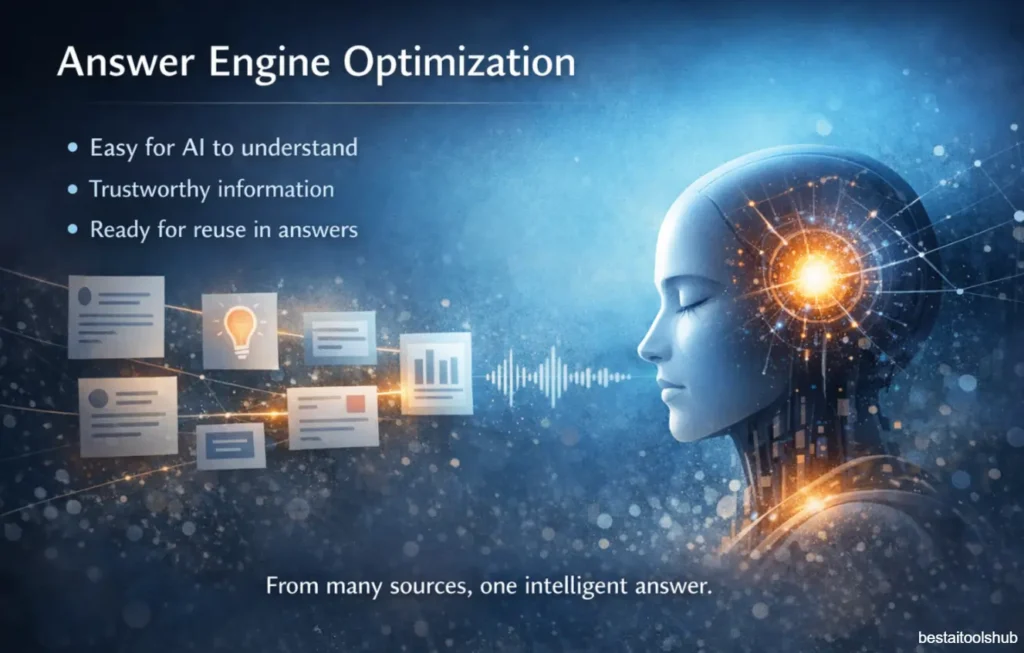
Answer Engine Optimization is not about ranking higher or getting more visitors. It is about something simpler.
It means writing information so that an AI system can:
- understand it easily
- trust it
- reuse it while answering questions
When AI tools respond, they don’t show where every idea came from. They combine information and speak in their own voice. AEO helps make sure your information becomes part of that voice.
Why This Matters Now
People are changing how they search because they are tired of searching.
They don’t want:
- ten results
- ads everywhere
- long articles for small questions
They want clear answers. AI tools give them that.
Because of this, many websites are no longer seen, even if their content is good. The attention has moved from websites to answers. AEO exists because visibility is no longer about being clicked. It is about being included.
As attention shifts from websites to answers, tools like Perplexity AI show where visibility is moving. The system does not reward longer pages or aggressive optimization. It favors information that can be trusted and reused without confusion.
How AEO Is Different From Old Search Methods
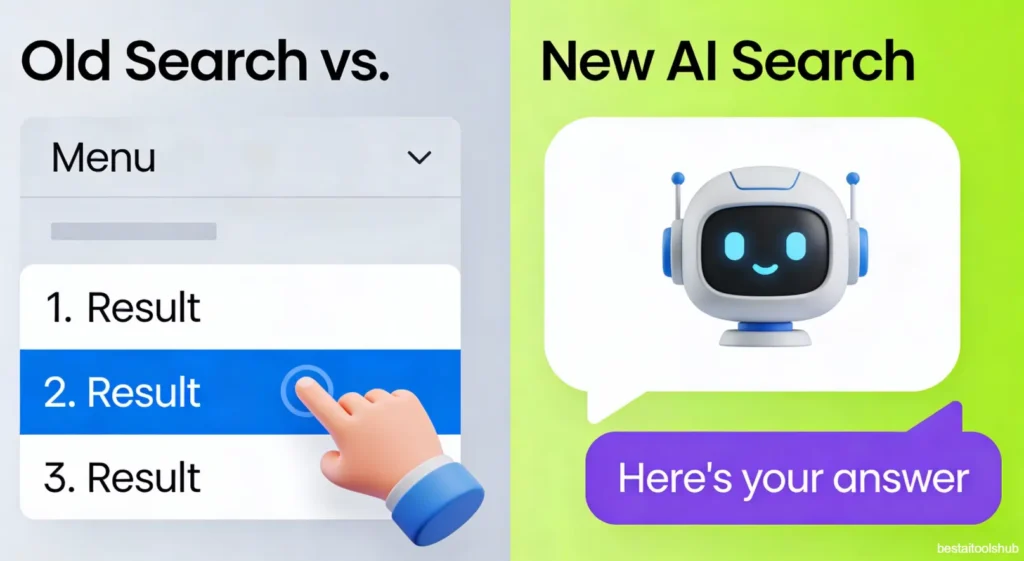
Traditional search worked like a menu. You chose what to read.
AI answers work like a conversation. You receive what the system decides is best.
Earlier, success depended on where a page appeared.
Now, success depends on whether your information is understandable enough for AI to repeat it.
This is not better or worse. It is simply different.
The Problems With AI Answers
AI answers feel confident, but confidence does not always mean correctness.
Sometimes answers are:
- too short
- missing context
- based on mixed sources
- slightly inaccurate
Another issue is control. Once AI uses your information, you cannot decide how it is explained or where it appears.
This makes some creators uncomfortable, and for good reason.
How People Can Adjust to This Change
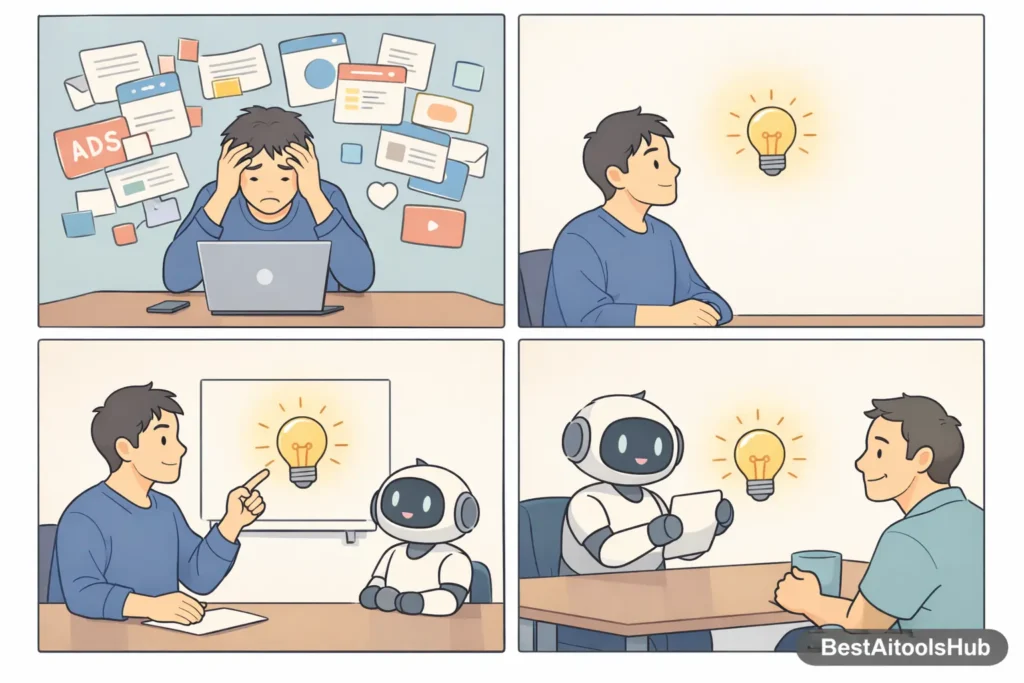
There is no trick here.
Content that works well with AI usually:
- explains one idea at a time
- avoids exaggeration
- sticks to facts
- uses plain language
Writing less but writing clearly helps more than writing a lot.
Trust has become more valuable than traffic.
What Success Looks Like Now
Success used to mean views and clicks.
Now, success might mean:
- your explanation being reused
- your idea becoming the “default” answer
- your name being recognized even without visits
This kind of impact is harder to measure, but it lasts longer.
Final Thoughts
Answer Engine Optimization is not a trend. It is a response to how people now learn and decide.
Search is becoming quieter. Fewer clicks. Fewer choices. More direct answers.
In this new environment, content that is honest, simple, and clear will survive. Not because it is optimized, but because it is useful.
In 2026, the internet does not reward noise. It rewards understanding.

Lucia Hoerner is a tech writer at BestAIToolsHub.io, focused on AI tools, software reviews, and practical use cases. She enjoys turning complex technology into clear, helpful content for everyday users. With a passion for innovation and clarity, she helps readers discover AI tools that truly add value.




Leave a Reply