
Agentic AI Explained: How Autonomous AI Will Change Work
On Monday morning, Sarah opened her laptop and noticed something unusual. Her inbox was empty. Client meetings were already scheduled. Sales reports were prepared. Even her social posts were live. And she hadn’t lifted a finger.
Her digital assistant had handled it all.
Not a regular assistant that waits for instructions — this was a system that understood her goals and acted independently, quietly working in the background. Tools like Notion AI, Jasper, and autonomous workflow platforms are making this possible.
This is what people are starting to call Agentic AI.
It’s not about machines replacing humans. It’s about work evolving — freeing people from repetitive tasks and letting them focus on creativity, strategy, and meaningful decisions.
Why Agentic AI Is Needed: The Problem With How We Work Today
Most of our workday isn’t real work. It’s clicking, copying, replying, updating, organizing, and chasing endless small tasks. By the time you get to the important stuff, your energy is already drained.
Traditional tools helped a bit — emails got faster, documents moved online, and automation handled some steps. But most systems still need constant human guidance.
That’s where autonomous systems come in.
Instead of telling software exactly what to do every minute, you simply define the outcome you want — and it figures out the steps. Think of it like a smart junior teammate.
For example, with platforms like Zapier, Make, or Notion AI, you can prompt:
“Organize all client emails, update the CRM, and summarize key points for me.”
The system executes the tasks automatically, freeing you to focus on decisions, strategy, and creative work.
What Agentic AI Really Means (No Tech Talk)
Agentic AI simply means a system that can take responsibility for a goal.
You don’t say:
“Open this file, copy this data, paste here, send email.”
You say:
“Prepare a weekly sales summary and send it to the team.”
It plans the work, gathers the data, formats the report, sends the email, and checks if everything went through correctly.
You stay in control. It handles the boring execution.
A Realistic Example You Can Imagine
Let’s say you run a small online blog.
Normally, your week looks like this:
It takes hours — sometimes days — every week.
With an autonomous setup, you simply set a goal:
“Grow blog traffic.”
The system takes over the heavy lifting. It studies your audience, finds trending topics, drafts content, suggests SEO improvements, schedules publishing, monitors performance, and even adjusts strategy over time.
Tools like SurferSEO, Jasper, or ChatGPT can help:
“Analyze trending topics in my niche, draft 3 article ideas, and schedule them for publishing.”
You still review and approve, but the repetitive, time-consuming work happens automatically.
This isn’t science fiction — it’s already happening today.
Why This Feels Different From Normal Automation
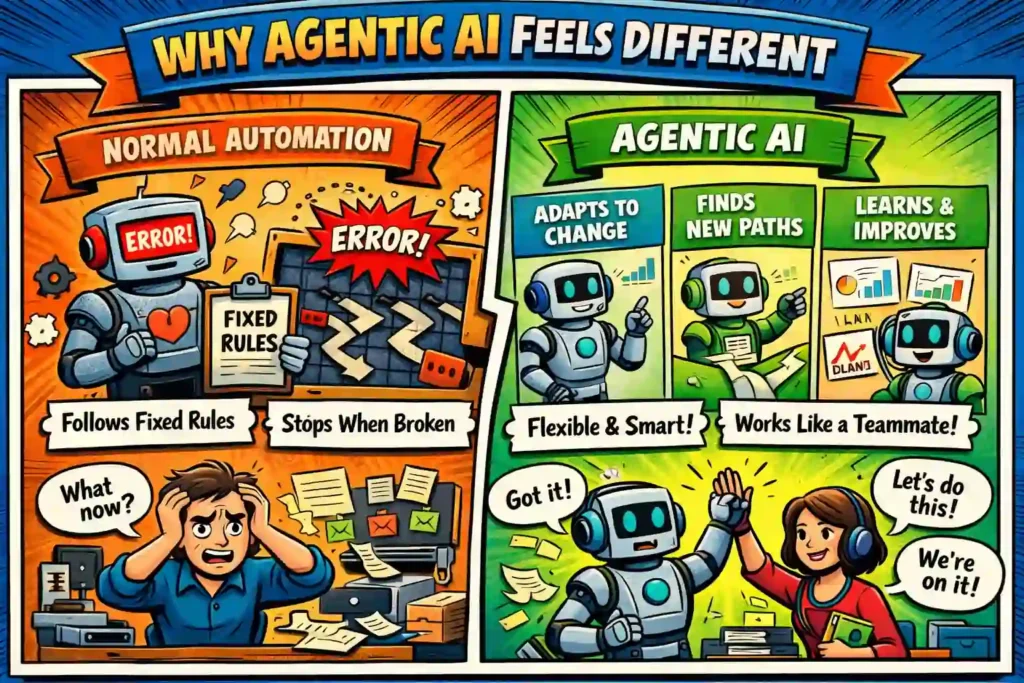
Normal automation follows fixed rules. If something breaks, everything stops.
Autonomous systems are flexible:
It feels closer to working with a smart teammate than running a script.
How This Will Change Real Jobs
Office Work Will Feel Lighter
No more endless emails, scheduling chaos, or manual reports. Employees will spend time thinking, planning, and collaborating instead of managing digital mess.
Small Businesses Will Compete Bigger
One person can manage marketing, customer service, and operations efficiently. This reduces pressure and opens growth opportunities for solo founders.
Support Will Become Faster
Customers get quick replies, clear answers, and smooth experiences without waiting hours.
Tech Teams Will Build Faster
Testing, monitoring, and routine maintenance become smoother, allowing developers to focus on innovation.
Individuals Will Gain Time
Personal tasks like planning, reminders, research, and digital organization become easier and less stressful.
The Emotional Impact Nobody Talks About
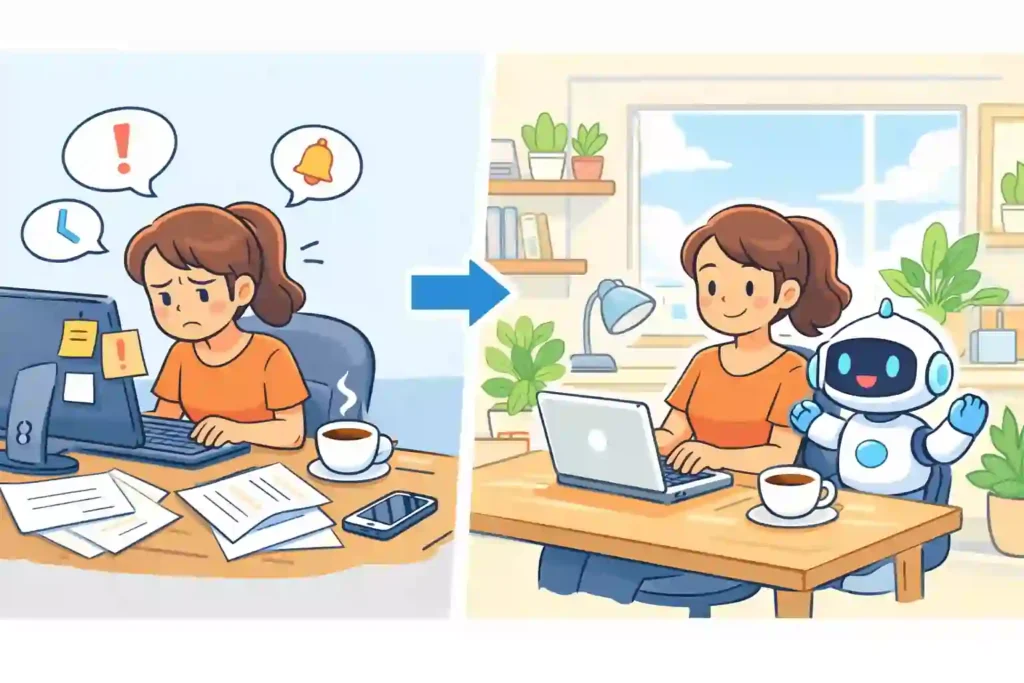
Work stress doesn’t usually come from the work itself — it comes from the constant overload of small, repetitive tasks that pile up throughout the day. When those tasks are handled automatically by agentic AI, mental space opens up. You can think clearly, focus on creative problem-solving, and spend energy on the work that truly matters.
Creativity comes back, burnout starts to fade, and people feel a real sense of control over their time. Instead of reacting to a never-ending stream of notifications, emails, and minor tasks, you get to decide where your attention goes.
And that shift matters more than any productivity metric. It’s not just about doing more — it’s about feeling capable, energized, and purposeful in your work.
Real Concerns We Should Be Honest About
Autonomy must be handled carefully:
- Privacy should be protected
- Humans must remain decision-makers
- Mistakes should be monitored
- Transparency is important
Technology should support people — not replace responsibility.
Jobs Will Change, Not Disappear
Some roles will evolve:
New roles will appear: automation managers, system supervisors, workflow designers.
Adaptation matters more than fear.
What The Future Workday Might Look Like
Imagine starting your day by reviewing results, not a long to-do list. Your agentic AI has already handled routine follow-ups, compiled reports, and prioritized tasks based on impact. Instead of getting lost in busywork, you spend your energy on high-value decisions, creative ideas, building relationships, and driving growth.
The clutter fades, and your focus sharpens. Meetings become purposeful, projects move faster, and your contributions carry real weight. Work isn’t about doing more — it’s about doing what matters most. With intelligent systems handling repetitive tasks, every day becomes an opportunity to create, innovate, and make meaningful progress.
Final Thought
Agentic AI isn’t some kind of magic — it’s the next step in how humans work with technology. Unlike regular tools, it can make decisions and act on tasks independently, freeing people to focus on creative thinking and strategic work. Those who start using agentic AI early will move faster, work smarter, and stay ahead in productivity and decision-making.
This change is coming quietly, steadily, and deeply. It won’t announce itself with fanfare, but it will reshape how we do our jobs, manage processes, and even think about work.
Adopting agentic AI isn’t just about doing things more efficiently — it’s about seizing new opportunities and reimagining what’s possible. Those who embrace it now will lead the way, while those who wait risk being left behind.

Lucia Hoerner is a tech writer at BestAIToolsHub.io, focused on AI tools, software reviews, and practical use cases. She enjoys turning complex technology into clear, helpful content for everyday users. With a passion for innovation and clarity, she helps readers discover AI tools that truly add value.




Leave a Reply