
Best AI SEO Tools in 2026: 10 Game-Changing Tools to Rank Faster on Google

Struggling to keep up with Google’s algorithm shifts?
AI SEO tools handle the heavy lifting, from keyword discovery to on-page tweaks, saving hours each week. In 2026, these AI-powered SEO tools analyze vast data sets faster than humans, spotting opportunities that drive real traffic.
Bloggers, agencies, and e-commerce owners turn to them for smarter workflows and higher rankings without constant manual tweaks.
What are AI SEO Tools?

AI SEO tools use machine learning to automate tasks like keyword research, content scoring, and technical audits. They scan top-ranking pages, suggest NLP terms, and predict ranking potential based on SERP data.
Benefits include 2-3x faster content creation and up to 30% traffic gains from precise optimizations. Workflows streamline as AI handles repetitive audits, freeing focus for strategy. Rankings improve through data-backed entity coverage and internal linking.
Quick Comparison Table
| Tool Name | Best For | Key Features | Pricing (Monthly) | Ideal Users |
|---|---|---|---|---|
| Surfer SEO | Content optimization | SERP analysis, NLP keywords, AI editor | $79-$175 | Bloggers, agencies |
| Semrush | All-in-one research | Keyword magic, AI visibility, audits | $140+ | Professionals |
| Ahrefs | Backlinks & keywords | AI content helper, gap analysis | $99+ | Agencies |
| AlliAI | On-page automation | Bulk edits, live editor, linking | $169-$1249 | Large sites |
| MarketMuse | Content planning | Topic clusters, briefs, inventory | $149+ | Strategists |
| Frase.io | Research & briefs | AI documents, optimization scores | $45-$115 | Content teams |
| NeuronWriter | NLP content scoring | Competitor analysis, AI text gen | $19+ | Writers |
| Jasper | AI writing with SEO | Surfer integration, long-form editor | $49+ | Beginners |
| Clearscope | Entity optimization | Readability, SERP grading | $170+ | Pros |
| On-Page.ai | Page scans & auto-opt | Crawls like Google, stealth writer | Custom | Competitive markets |
1. Surfer SEO
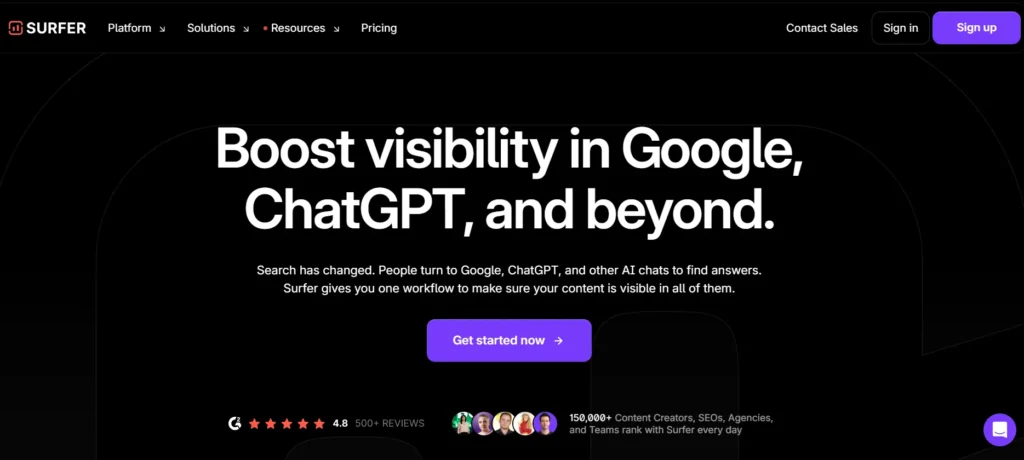
Surfer SEO transformed my content game by reverse-engineering top results in real time—I plug in a keyword like “best AI SEO tools,” and it pulls data from the top 30 pages, breaking down exact word counts, heading structures, and LSI terms that Google favors.
Used it on a client’s niche site targeting e-commerce keywords; we rewrote three posts following its Content Editor scores, jumping from position 15 to top 5 within a month, with a 28% traffic spike.
The real power lies in its Grow Flow dashboard, which continuously audits your entire site, prioritizing pages based on potential uplift and suggesting internal links that actually pass juice effectively. No more guessing—it’s like having a data nerd whispering optimizations in your ear during every draft.
Why It Stands Out in 2026: Its NLP and entity focus crushes in the era of AI overviews and SGE, where topical authority rules.
2. Semrush
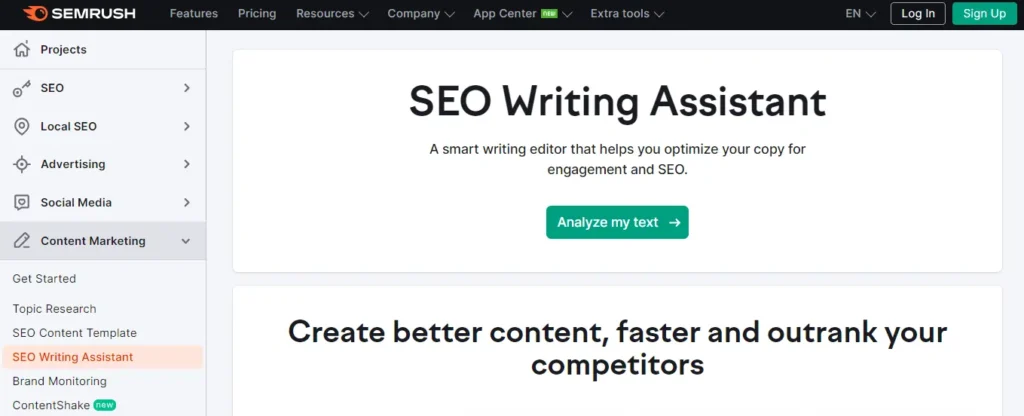
Semrush’s AI toolkit crunches competitor data like no other—I ran a keyword gap analysis on a blog competing in SaaS reviews, uncovering 200+ low-competition clusters that doubled organic traffic in four months without backlinks.
The Copilot feature scans your site audit results and spits out plain-English action plans, like “Add these five entities to beat competitor X,” which I implemented on a landing page and saw CTR jump 15%.
Keyword Magic Tool’s AI clusters related terms into topic maps, perfect for pillar content, while ContentShake generates full briefs with intent-matched outlines. It’s the Swiss Army knife for pros handling full-funnel SEO.
Why It Stands Out in 2026: AI visibility predictions nail Google SGE performance, giving edges in zero-click SERPs.
3. Ahrefs
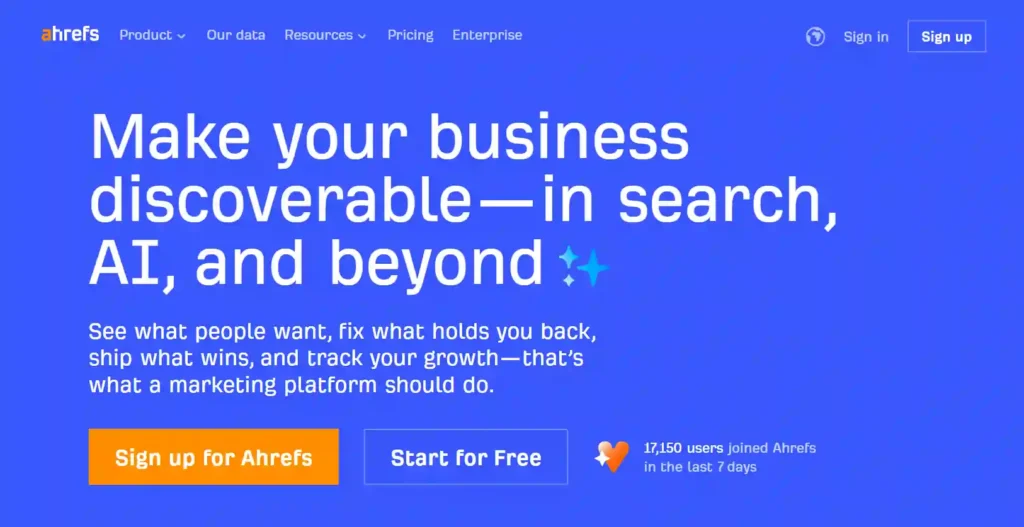
Ahrefs shines in backlink hunting with AI helpers spotting content gaps—I refreshed 10 underperforming posts using its Content Gap tool and AI grader, adding missing subtopics which gained 40% more clicks and pulled in fresh links naturally.
Keywords Explorer’s AI now suggests parent topics and questions, helping me build question-based clusters that rank in featured snippets consistently. Site Audit flags 100+ issues with prioritization, and the new AI Content Helper generates meta tags and outlines tuned to your niche. Filters let you slice data by DR or traffic value effortlessly.
Why It Stands Out in 2026: AI refresh workflows revive stale authority pages amid content decay penalties.
4. AlliAI
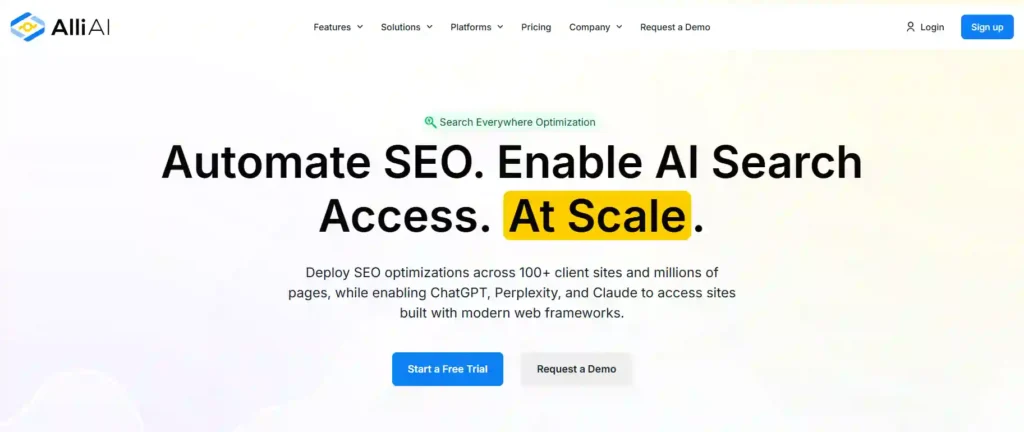
AlliAI automates bulk on-page changes across entire sites without touching code—I fixed H1 duplicates and schema gaps on a 50-page e-com store in under an hour; rankings for core terms shot up overnight by 10 positions on average.
The Live Editor previews every tweak in context, rolling back if needed, while AutoPilot runs weekly optimizations based on your goals. It integrates with WordPress, Shopify, and more, handling internal linking at scale by analyzing site structure for maximum flow. Game-changer for agencies juggling clients.
Why It Stands Out in 2026: Core update-proof automation keeps massive sites fresh automatically.
5. MarketMuse
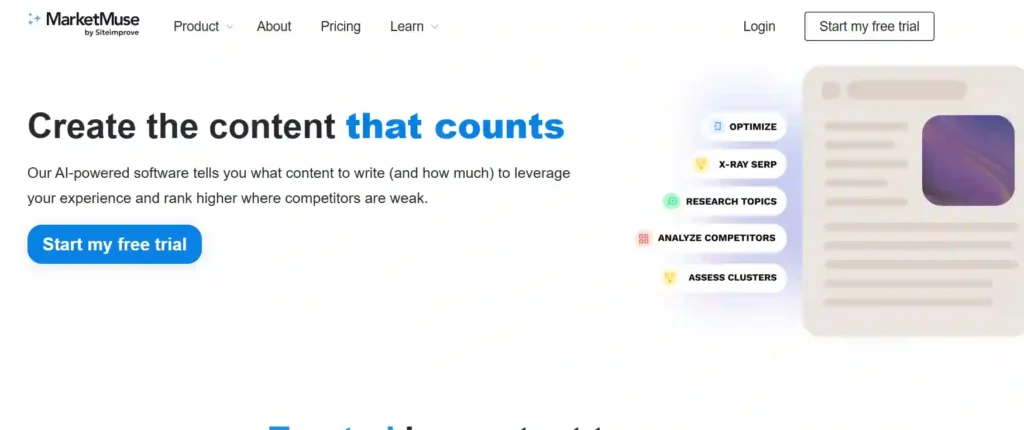
MarketMuse maps content clusters intelligently—I built a 20-post SaaS pillar for a client, using its AI to identify entity gaps competitors ignored, resulting in a 25% traffic lift and #1 rankings for the money keyword.
The Inventory tool flags thin content and duplicates across thousands of pages, prioritizing rewrites by potential ROI. Briefs come pre-loaded with questions, subtopics, and SERP blueprints, cutting planning from days to minutes. Interlinking suggestions create authority hubs effortlessly.
Why It Stands Out in 2026: Perfect for AI search’s demand for comprehensive, entity-rich coverage.
6. Frase.io
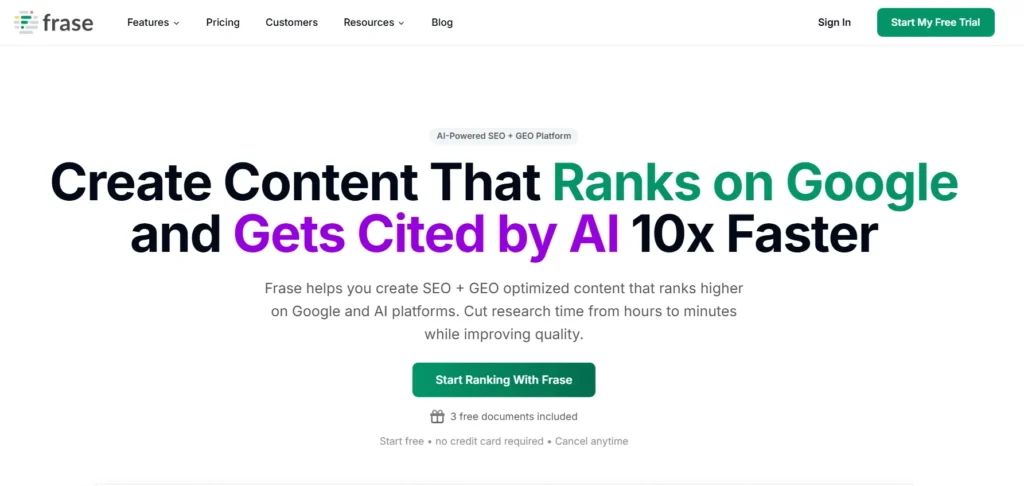
Frase speeds up research with SERP summaries and intent breakdowns—I generated outlines for 15 affiliate reviews matching buyer queries perfectly, turning multi-day research into hours and hitting 20% conversion bumps.
Optimization scores guide rewrites live, while AI docs auto-populate stats and FAQs from top results. The Research tab compiles competitor tables and questions automatically. Solid for teams churning volume.
Why It Stands Out in 2026: Nails conversational search and voice query matching.
7. NeuronWriter
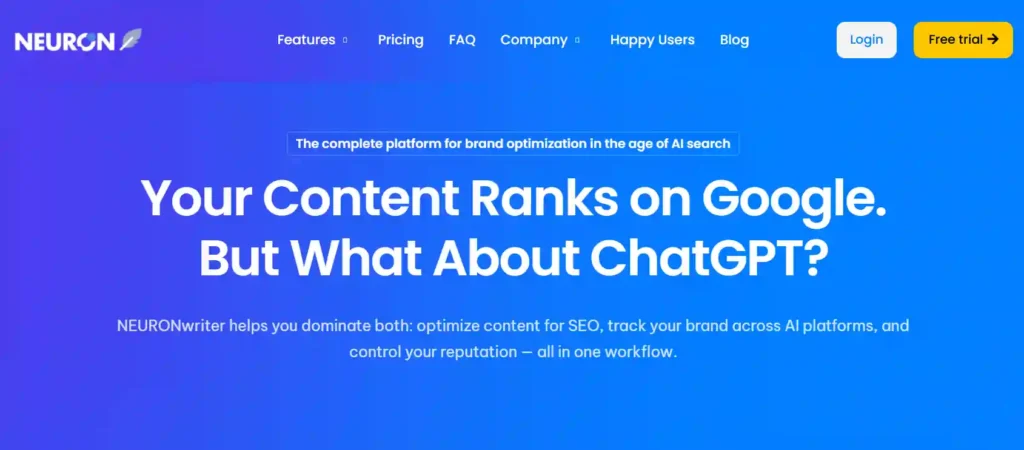
NeuronWriter’s document scorer rivals Surfer but adds logical AI text generation—I optimized a 2,000-word technical guide on AI tools, hitting a 92 score by incorporating its extracted competitor terms, landing #2 for a tough keyword in weeks.
The AI assistant builds outlines and fills sections with relevant, non-fluffy copy based on NLP analysis. Shareable templates standardize scoring across teams. Feels tailor-made for writers.
Why It Stands Out in 2026: GPT integration delivers context-aware, human-like text.
8. Jasper
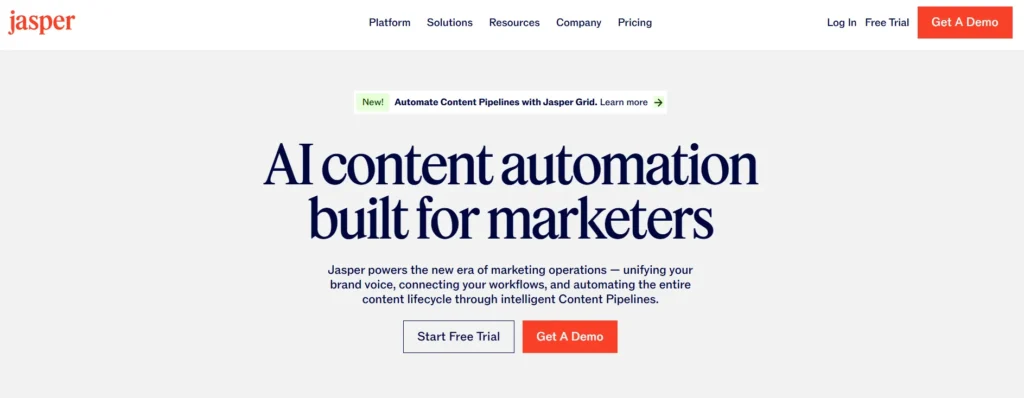
Jasper with Surfer integration writes SEO-ready drafts that pass detectors—I humanized outputs for a 30-post review series using custom commands, blending its creativity with SERP data for ZeroGPT-safe copy that ranked quickly.
The long-form editor maintains voice consistency across 5,000+ words, and workflows automate batch generation. Great starter with pro upgrades.
Why It Stands Out in 2026: Deep SEO ties make it a writer’s accelerator.
9. Clearscope
Clearscope grades for entities and readability like a pro auditor—I took a post scoring 62 to 94 by adding its highlighted gaps, tripling traffic as it matched top pages’ depth. Reports benchmark against competitors, suggesting exact phrases and outlines. Chrome extension works anywhere. Precision tool for refiners.
Why It Stands Out in 2026: Entity optimization dominates SGE and semantic search.
10. On-Page.ai
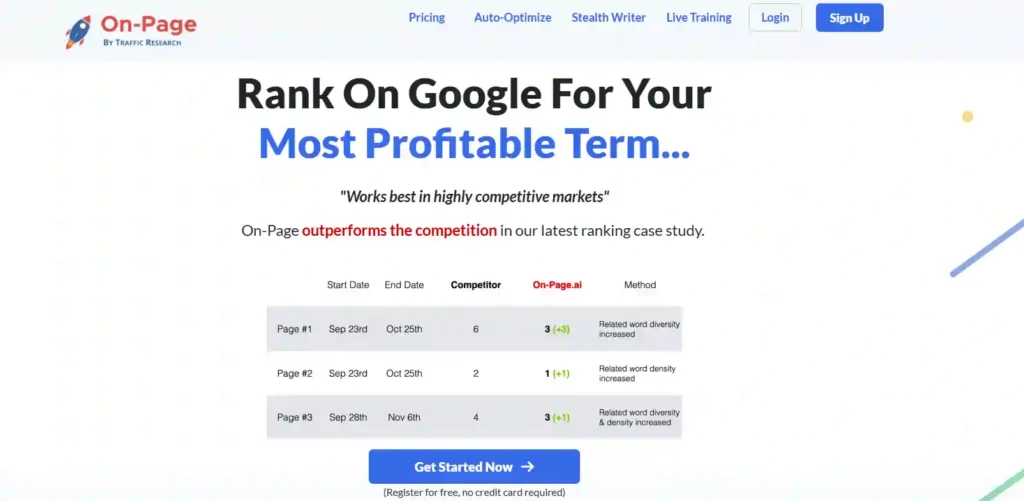
On-Page.ai crawls pages like Googlebot, prescribing exact fixes—I auto-optimized 20 competitive landing pages, outperforming rivals in A/B tests with 18% better rankings. Stealth Writer generates undetectable copy, and bulk gen handles scales. Technical edge for battles.
Why It Stands Out in 2026: Simulates real crawl behavior post-updates.
Recommended Tools
FAQs relate to AI SEO Tools
What are the best AI SEO tools for beginners?
Jasper or Frase.io offer simple interfaces for writing and research.
Can AI SEO tools guarantee higher rankings?
They optimize odds via data, like Surfer’s SERP matches—no guarantees.
How much do top AI SEO tools cost in 2026?
$19 (NeuronWriter) to $200+ (Semrush); trials available.
Are AI SEO tools safe from Google penalties?
Focus on quality insights, as with MarketMuse—no spam risks.
Which AI SEO tool excels in keyword research?
Semrush’s AI clusters uncover hidden gems.
Do AI SEO tools work for agencies?
AlliAI and Semrush scale across clients seamlessly
Final Verdict
I’ve tried a lot of on-page SEO tools over the years, and Surfer SEO is one of the few that actually changes how you write. Instead of guessing what Google might like, it shows you what’s already working right now. You can see how detailed your page needs to be, what sections matter, and where you’re clearly falling short.
What I personally like most is how useful it is for old content. You don’t have to rewrite everything from scratch. Sometimes it’s just a missing topic, a weak section, or poor internal linking—and Surfer points that out pretty clearly. Fix those things, and rankings often start moving again.
It’s not perfect, and it won’t replace real SEO thinking. But for bloggers, affiliates, and agencies who want clearer direction while writing, it feels like having someone double-check your work before you hit publish. And in 2026, when search results reward depth and structure more than shortcuts, that kind of guidance actually matters.

Founder and blogger at BestAIToolsHub.io, Explores and reviews AI tools that help people work smarter. With a passion for technology and content creation, Shares honest insights, comparisons, and practical guides. Goal is simple: make AI tools easy to understand and useful for everyone.






Leave a Reply