
AI SEO Trends in 2026: What’s Changing and How Marketers Can Adapt
Ever feel like search engines are playing a different game every year? In 2026, AI is flipping SEO on its head—think instant answers popping up right on the results page, zero-click searches stealing your traffic, and engines that truly “get” what users really want before they even click.
It’s not just hype; with tools like Google’s AI Overviews dominating over half of queries, traditional keyword tricks are dying fast. Marketers who spot these AI SEO shifts early and adapt smartly will keep traffic flowing and rankings strong; others risk fading into the background noise.
AI Search Takes Over
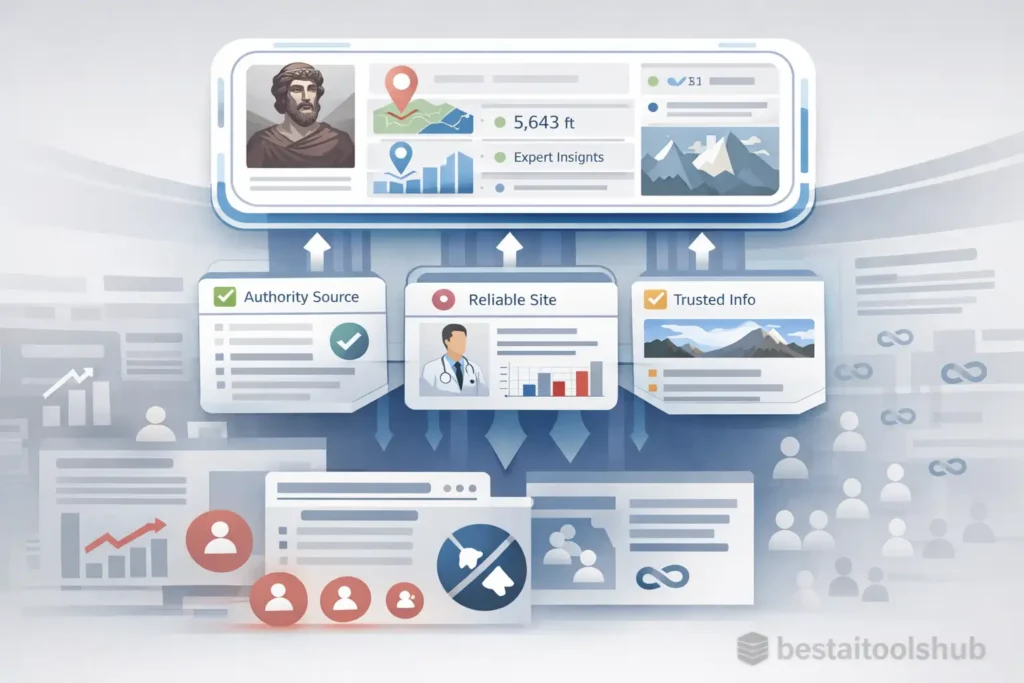
Google’s AI Overviews now pop up on over half of searches, giving instant answers without site visits. This zero-click shift means traditional rankings matter less; AI picks sources upfront based on trust and structure. Users get what they need quicker, but sites lose direct traffic—top organic spots now grab just 2-3% clicks when AI summaries appear.
Expect more from tools like Perplexity or ChatGPT feeding into search. They pull from clear, expert content, not keyword-stuffed pages.
Intent Drives Everything
Search engines read your mind now—or at least your query’s true goal. Intent-based ranking looks at context, follow-up searches, and user behavior, not exact keywords. A page on “best running shoes” ranks if it nails buying advice, not just shoe lists.
Long-tail and voice queries dominate, so match what people really want: info, comparisons, or buys. Tools like SEMrush’s AI keyword research spot these high-potential terms competitors miss.
Quality and Trust Win Out
AI favors human-like content with real experience over generated fluff. EEAT—experience, expertise, authoritativeness, trustworthiness—is the top ranking factor. Sites with author bios, citations, and user engagement outrank others.
Brand authority shines too. Strong brands get “branded search” boosts and AI citations, like sitelinks that skyrocket clicks. Build it with consistent messaging across your site.
Video and Multi-Format Rise
YouTube is huge for SEO now, as AI pulls video answers into search. Optimize titles, descriptions, and watch time for intent—think “how to fix a leaky faucet step-by-step” over generic terms.
AI summaries also favor structured lists, FAQs, and tables that it can easily grab.
How to Adapt Your Strategy
Don’t panic—focus on these steps to stay visible.
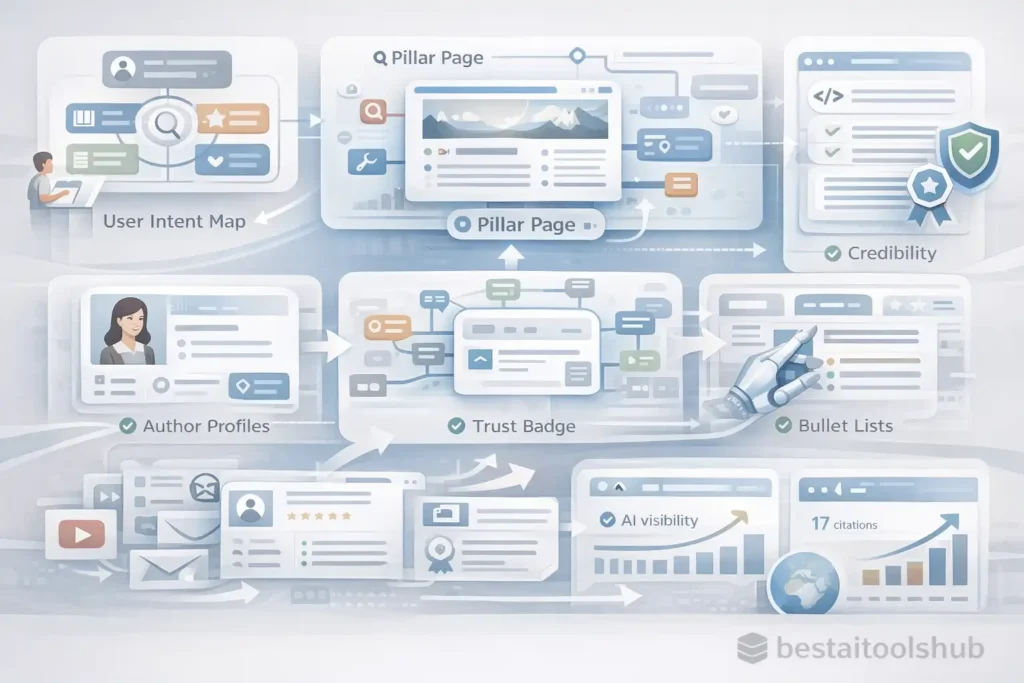
- Map user intent first. Analyze top results for a keyword: is it guides, reviews, or how-tos? Use Surfer SEO to grade content against them and tweak for relevance.
- Build topical clusters. Create pillar pages on big topics, link to cluster content. This boosts authority—AI sees you own the niche.
- Prove your EEAT. Add author creds, link sources, get guest posts or mentions. Track brand signals with Ahrefs’ AI insights.
- Structure for AI grabs. Use schema markup, clear headings, bullet lists. Test with Google’s Rich Results tool—AI loves scannable formats.
- Diversify beyond Google. Push YouTube videos and newsletters. Use Alli AI for on-page tweaks at scale.
- Monitor AI visibility. Tools like SE Ranking’s Brand Radar track if your site gets cited in overviews.
Imagine a fitness brand: They cluster “home workouts” content, add trainer bios (EEAT), structure routines in tables. AI now cites them in summaries, driving brand searches.
Tools That Actually Help
Skip hype—use these contextually.
SEMrush predicts trends and clusters topics, saving hours on research. Surfer SEO or Clearscope scores drafts against winners, ensuring intent match without guesswork.
For quick wins, ChatGPT outlines based on SERP analysis, then human-edit for voice. Ahrefs spots competitor gaps in backlinks and keywords.
Combine them: Research in SEMrush, optimize in Surfer, track in Ahrefs.
Real-World Wins
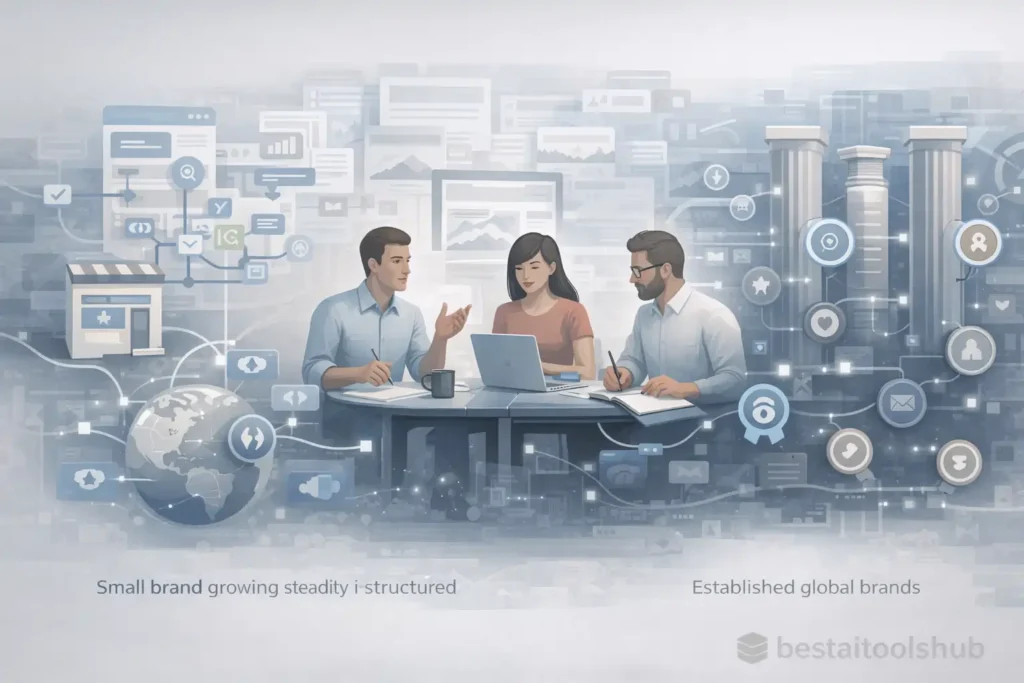
In 2026, AI SEO success is driven by clarity and authority, not content volume. A small e-commerce brand shifted from scattered keywords to intent-based content clusters backed by structured schema and entity signals. As a result, AI search citations doubled, and traffic remained stable despite the rise of zero-click searches.
Agencies are seeing similar outcomes. Those that reduced low-quality AI-generated content and focused on human expertise, original insights, and real experience reported stronger client trust and higher contract renewals.
Big brands like Nike continue to thrive because AI systems already trust their authority. Consistent entity signals, brand mentions, and a strong digital footprint make them easier for AI to recognise and cite. In 2026, authority—not volume—is the key to adapting in AI-driven SEO.
What’s Next for Marketers
Forget chasing every algorithm tweak SEO in 2026 boils down to three pillars: trust, structure, and intent. Build trust by showcasing real expertise through author stories, verified sources, and genuine user engagement that proves you’re not just another faceless site.
Nail structure with schema, scannable lists, and formats AI can easily pull into summaries, turning zero-clicks into citations that funnel traffic your way. Above all, zero in on intent: create content that anticipates what searchers truly need, whether it’s quick tips, deep dives, or buying guides.
When trust, structure, and intent work together, SEO becomes less about chasing updates and more about earning long-term visibility that actually converts.

Lucia Hoerner is a tech writer at BestAIToolsHub.io, focused on AI tools, software reviews, and practical use cases. She enjoys turning complex technology into clear, helpful content for everyday users. With a passion for innovation and clarity, she helps readers discover AI tools that truly add value.


Leave a Reply